
Supported by
This project was made possible in part by the Heinz Endowments

about the project
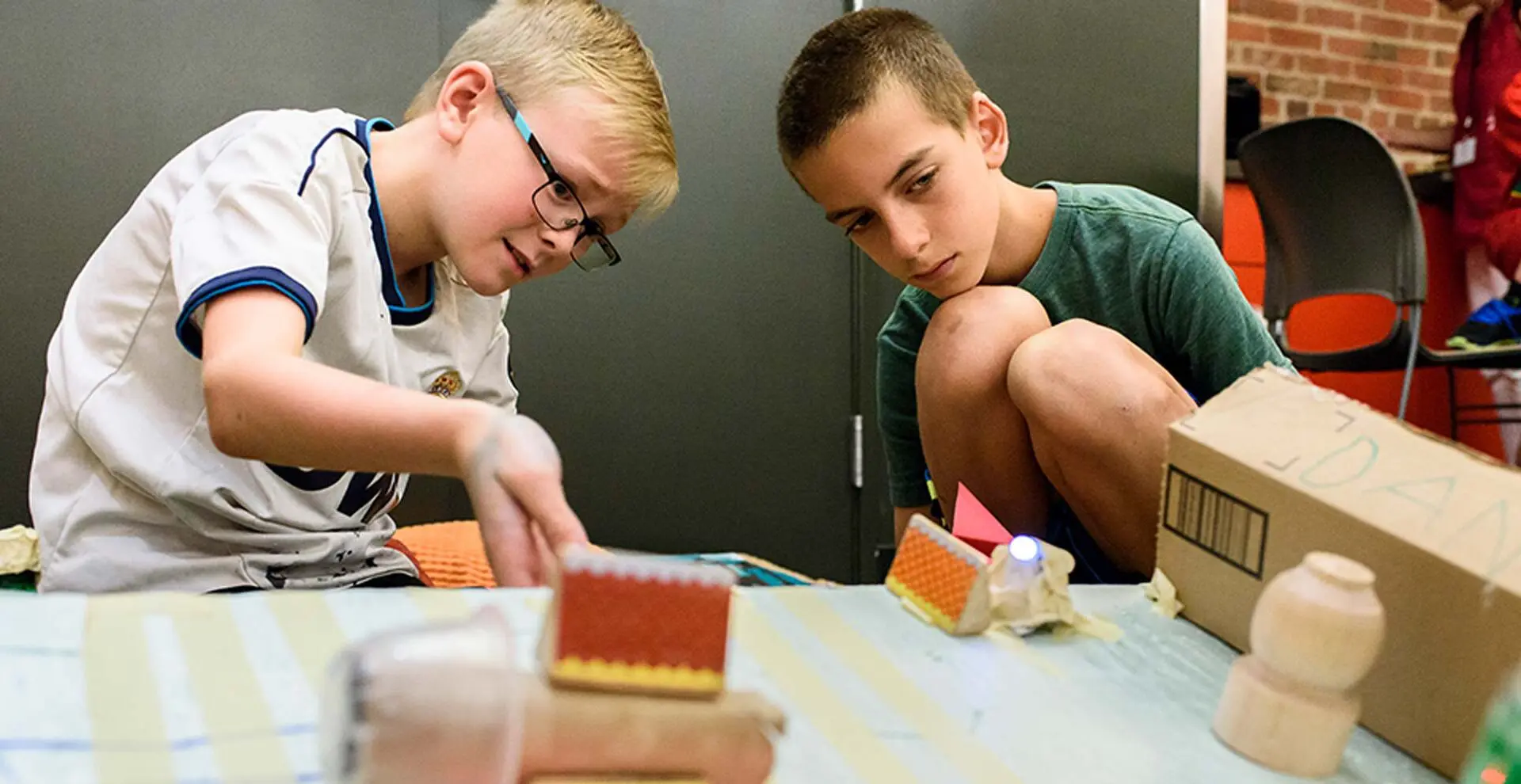
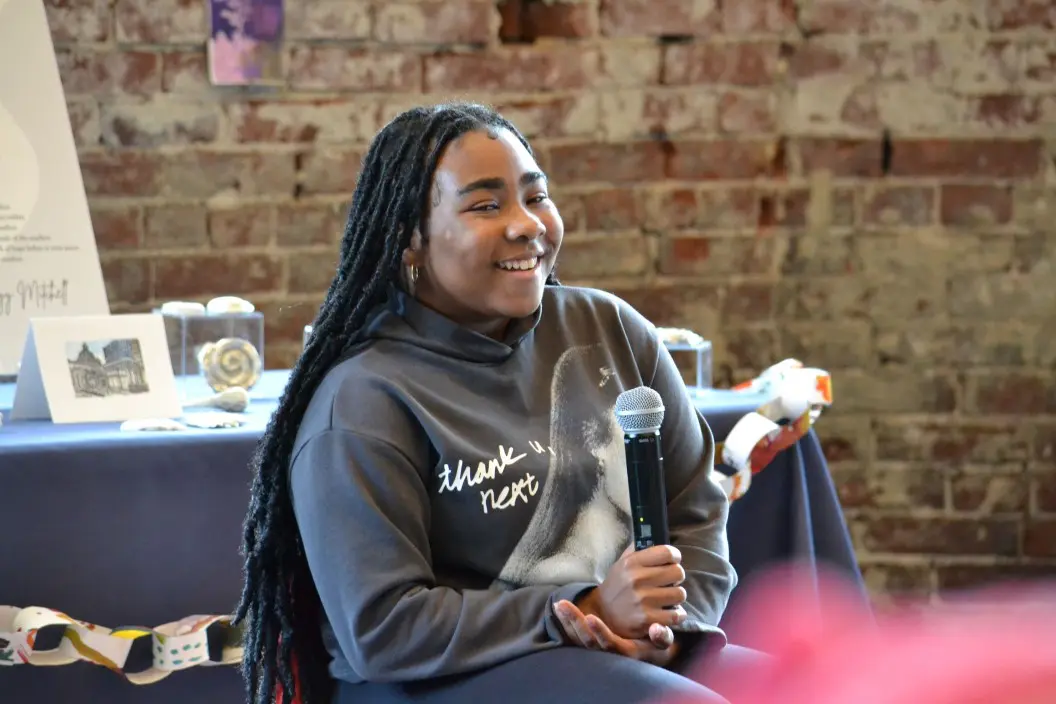
Across the country, arts ecosystems have emerged as powerful drivers of connection, innovation and community vitality. Research shows that vibrant arts ecosystems can strengthen community cohesion, improve health and well-being, drive economies, and foster civic identity. Children’s Museum of Pittsburgh has long nurtured collaboration among Pittsburgh’s education landscape. Now, we are using emerging research frameworks and analysis tools to enhance and measure the effects of ecosystems focused on the arts.
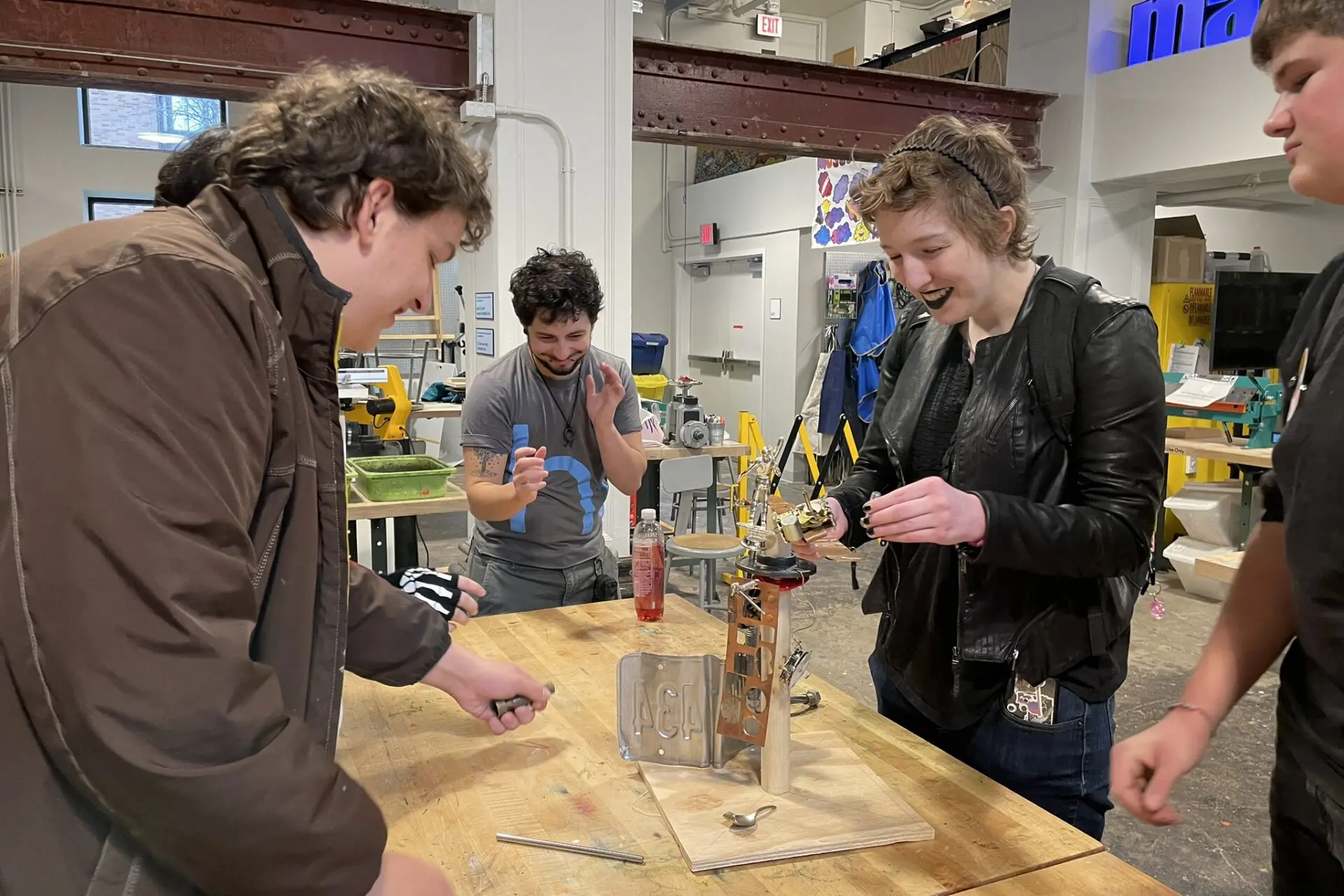
Focused on MuseumLab, our building for youth and adults, this project is expanding core programming that is ecosystems-aligned, nurturing nascent ideas, and experimenting with approaches that will have catalytic effects on strengthening our position as a hub in the arts ecosystem. Our core goal is to ensure that Pittsburgh’s artists, makers and creatives can sustain meaningful and livable employment. To do that, we are enhancing resource-sharing, equipping creatives with skills to navigate the arts economy, and brokering informed relationships that connect artists and employers, foster networking, and boost awareness of opportunities.
Data is interwoven with this process. At the beginning of the project, we gathered both quantitative and qualitative data from program stakeholders and used social network analysis to visualize and measure the baseline of connectivity for MuseumLab’s programs. As the project progresses, we will continue to use research and evaluation methods to track progress and showcase the ways project activities are resulting in a more vibrant arts ecosystem.