
about the project
In this research project funded by the National Science Foundation (grant no. 2313850), autistic youth collaborated with staff at three museums to create accessible and inclusive STEM activities. The project was based on the idea that neurodiversity, the innate variations in how people think, learn, and experience the world, is beneficial to many aspects of society, including science and engineering.
The team investigated how museums might apply Universal Design for Learning, an evidence-based framework that involves building in flexible options for learners with varying needs and interests. By designing museum activities with the needs of autistic people in mind, the project identified practical strategies that museums everywhere can use to support belongingness for children and adults with diverse ways of thinking.
Supported by
This project is based on work supported by the National Science Foundation under Grant No. (2313850). Any opinions, findings and conclusions or recommendations expressed in this material are those of the author(s) and do not necessarily reflect the views of the National Science Foundation.

project partners
- The project involved teams of museum staff at Children’s Museum of Pittsburgh, New York Hall of Science (Corona, NY), and Explora Science Center and Children’s Museum (Albuquerque, NM).
- Researchers at Education Development Center studied how museum visitors responded to the activities that teams created, and the impact of participating in the project on the youth who participated.
- J. Sickler Consulting evaluated how museum staff and youth worked together throughout the project and the strategies that made the collaboration successful.
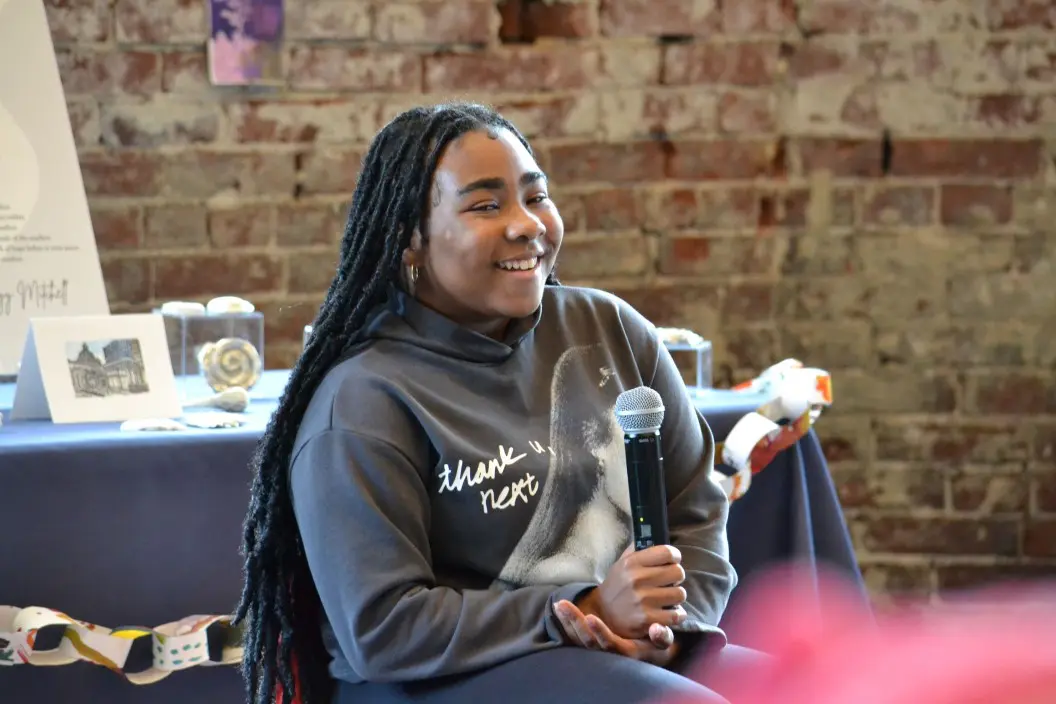
- Youth co-designers: Each of the museums worked with a cohort of autistic teens who helped design activities, adaptations, and guidelines for neurodiversity-affirming museum experiences. Many thanks to our co-designers!
guidebook
This free guidebook includes practical tips and ideas for educators in museums and other settings, and printable tools for planning and improving learning experiences with and for neurodivergent people.